Preimplantation Genetic Testing for Polygenic Disorders (PGT-P)
What is PGT-P? Why do we care?
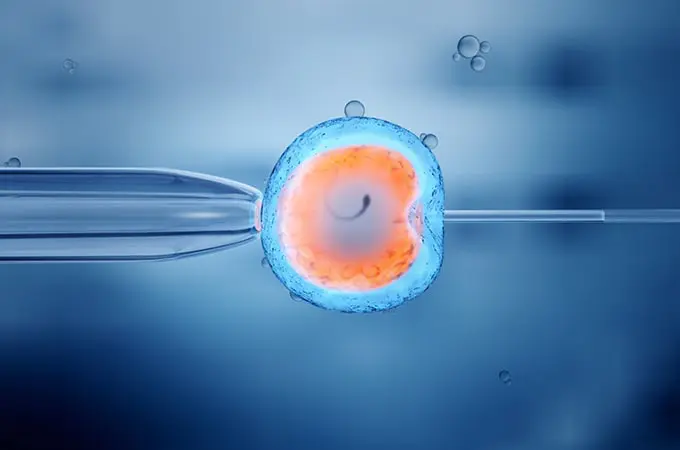
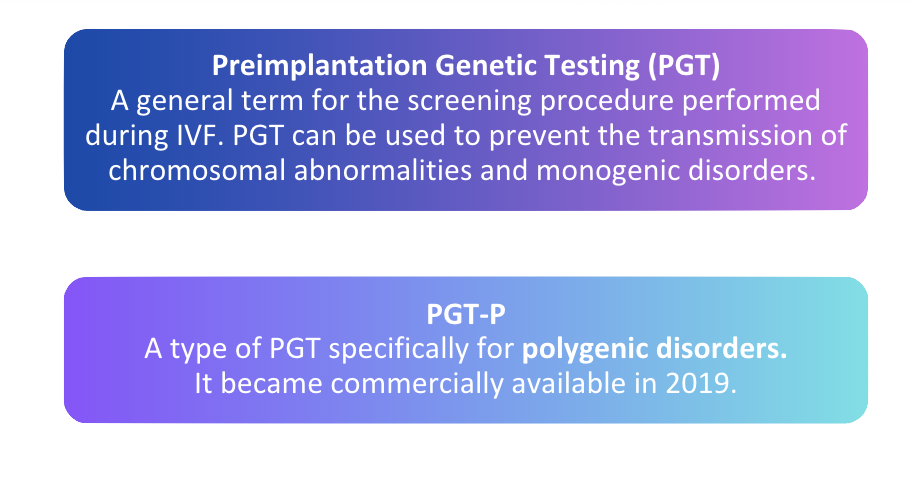
PGT-P is an in vitro fertilization (IVF) technique that screens embryos for genetic susceptibility to polygenic diseases.
The goal of PGT-P is to reduce the risk of offsprings developing polygenic diseases.
Polygenic disorders are genetic disorders where an individual’s risk is determined by the combined influence of risk loci and environmental exposures.
Examples include diabetes, heart disease, schizophrenia, Alzheimer’s, obesity, and more. Polygenic disorders are common and affect millions of people in the world.
They are also complex, caused by many variants across the genome, each conferring a small and individual effect on the phenotype.
Instead of identifying single-gene defects, PGT-P assesses the combined effect of many small-scale genetic variations.
General Process of PGT-P
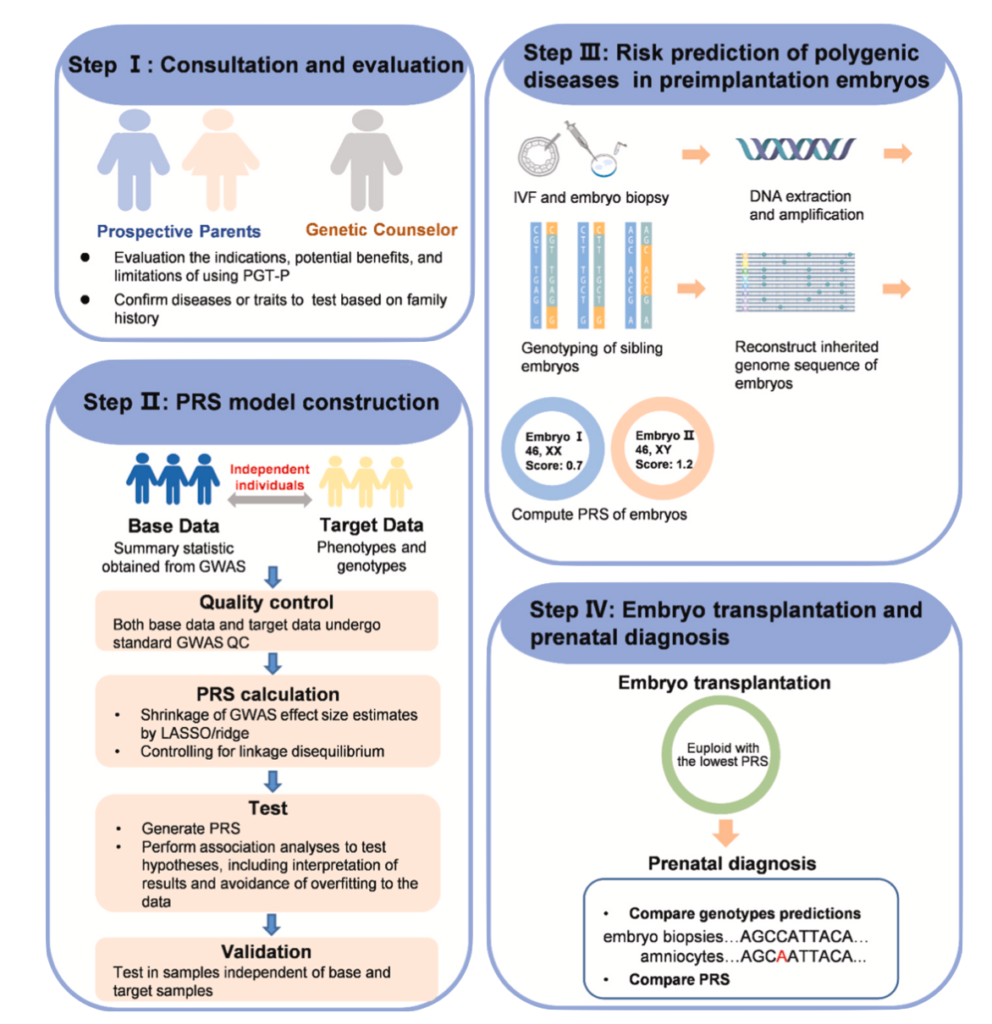
PGT-P generally starts with prospective parents seeing a genetic counselor before going through IVF. These prospective parents typically have a known family history of a certain type of disorder. This is followed by the usual IVF procedure of retrieving eggs.
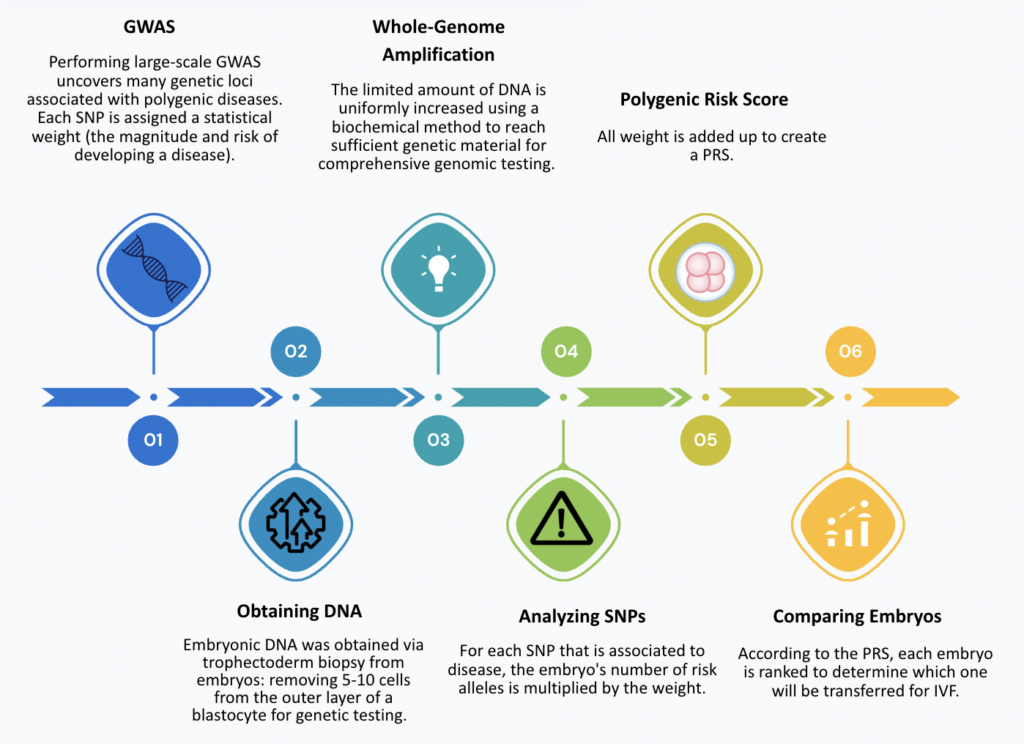
Then, both parental and embryonic DNA are obtained to construct the whole-genome of the embryos. After comparing embryonic genome with the genomic data gathered from GWAS, each embryo is assigned a polygenic risk score (PRS). The PRS indicates the embryo’s probability or susceptibility to a disease.
Finally, the embryo with the smallest polygenic risk score is selected for transplant. However, PGT-P is only a probability. It does not preclude hereditary transmission completely. Additionally, PRS can’t account for future environmental factors like lifestyle, which plays a major role in developing polygenic diseases.
Keyword Bank:
- GWAS (Genome-wide Association Study): a research approach that scans the genomes of a large population to identify specific variations (usually SNPs) that are associated to specific diseases.
- SNP (Single-nucleotide Polymorphism): the most common type of genetic variation where where there is difference in a single DNA nucleotide (can be markers for diseases)
A more holistic diagram of the procedure can be found below, taken from Jing and Du: